6 facts about immigration and the southern border
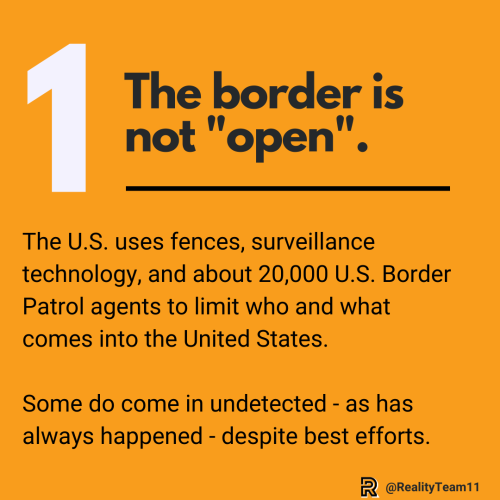
1. The border is not open.
The U.S. uses fences, surveillance technology, and about 20,000 U.S. Border Patrol agents to limit who and what comes into the United States.
Some do come in undetected – as has always happened – despite best efforts.
2. There isn’t an invasion.
Migrants hoping to enter the U.S. are unarmed, and generally turn themselves in to ask for asylum. That’s not a national security threat.
When natural disasters or violence swell the number of people looking for a new home, it can put strain on aid, security and screening processes.
3. Migrants aren’t smuggling drugs.
The vast majority of illegal drugs that come from Mexico arrive through legal ports of entry, hidden in large trucks.
Border patrol agents have improved screening and seizure efforts.
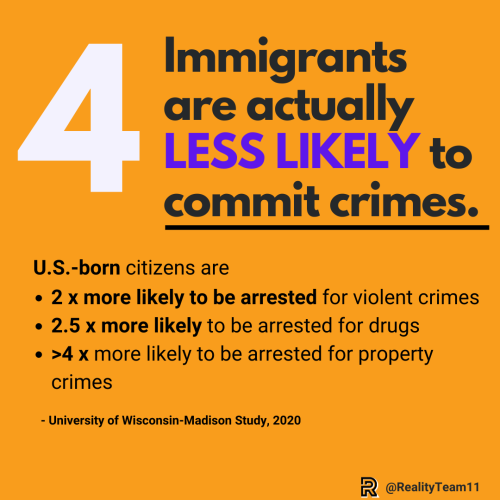
4. Immigrants are actually less likely to commit crimes.
US-born citizens are:
- 2 x more likely to be arrested for violent crimes
- 2.5 x more likely to be arrested for drugs
- >4 x more likely to be arrested for property crimes
5. Illegal immigrants are ineligible for most federal benefits.
They may be eligible for certain health care and nutrition programs in emergency situations.
Some states, such as New York and California, allow immigrants in the U.S. illegally to receive some state-funded benefits.
Research shows immigrants don’t use public benefits more than people born in the U.S.
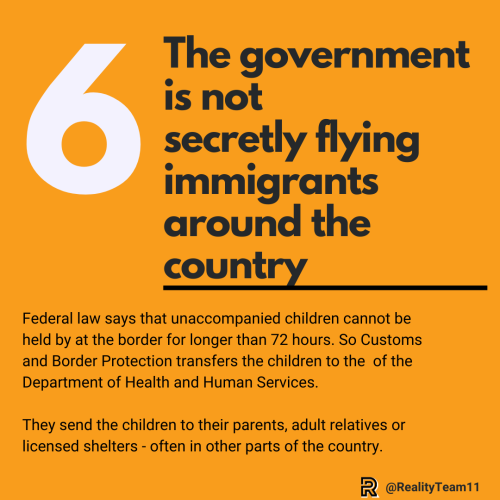
6. The government is not secretly flying immigrants around the country.
Federal law says that unaccompanied children cannot be held by at the border for longer than 72 hours. So Customs and Border Protection transfers the children to the of the Department of Health and Human Services.
They send the children to their parents, adult relatives or licensed shelters – often in other parts of the country.
This is a summary of a
Politifact report.
Politifact: A surprising number of Americans believe these false claims about immigrants. Here are the facts.
Please visit that page to see the extensive list of sources they used to compile this information, including:
- National Public Radio
- The Dept. of Homeland Security
- The Bipartisan Policy Center
- The Dept. of Justice
- The Texas Tribune
- The Congressional Research Service
Related Cards