
The Russian government DOES NOT represent all Russian people
As the Russian invasion of Ukraine continues, Americans have been expressing their anger toward Putin and their support for Ukraine. In true American fashion, people have taken donated goods and funds, changed their profile pictures to the Ukrainian flag, and tweeted their dissent.
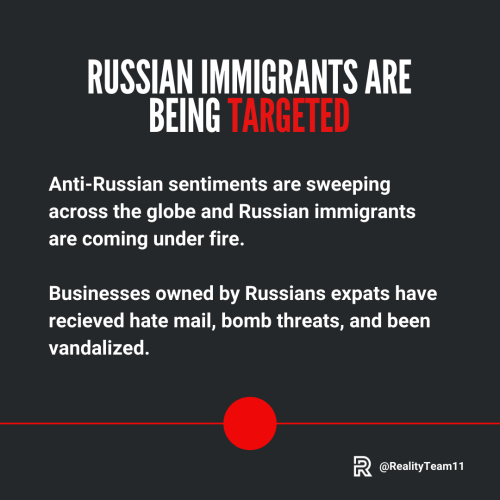
Some of these protests have taken a darker turn, targeting Russian expatriates and their businesses.
But do these threats and boycotts accomplish their intended purpose? Do they take money out of Putin’s war chest? Or are they misguided shots aimed at the wrong target?
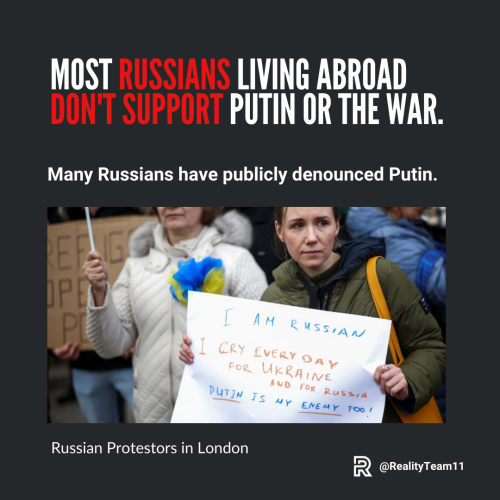
Most Russians living in other countries do not support Putin’s War.
Anti-Russian sentiment has been building in Western Europe and America, with Russians becoming a target for hate speech. But many Russian emigrants left their home because they don’t support the Russian government.
Alexei Zimin, a Russian chef in London, said, “Most of the people I know in London and Moscow are against the war. We cannot stop being Russians, war or no war. We are Russians and we will continue being Russians, but we are not Russians who try to kill our neighbors.”
Russians around the world have said similar things, publicly speaking out against the war.
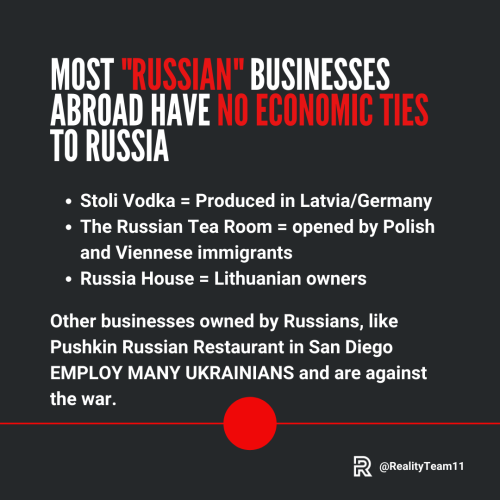
Many “Russian” businesses in America aren’t tied to Russia.
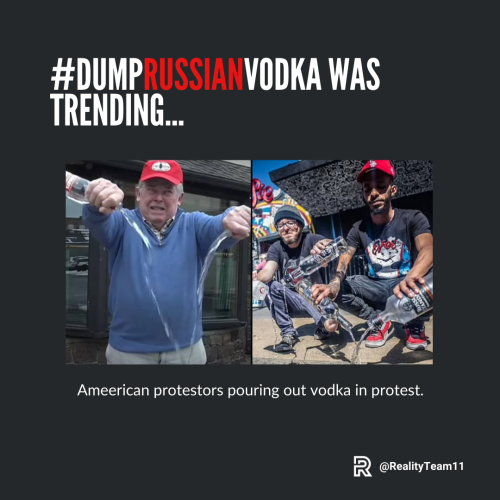
The hashtag #DumpRussianVodka was trending, as bars poured Stoli down the drain. People have been boycotting The Russian Tea Room in New York. Russia House in DC had its windows smashed and the walls vandalized. Many people believe that these are Russian businesses, owned by Russians with ties to Putin.
Here’s the thing. None of these businesses have any ties to Russia. Stolichnaya Vodka is produced in Latvia and its headquarters are in Germany. The Russian Tea Room was opened by Polish and Viennese immigrants, and was a popular spot for exiled Russians who detested the communist regime. The owner of Russia House is Lithuanian.
Many Russian owned businesses, like Pushkin Russian Restaurant in San Diego, employ many Ukrainian immigrants, and donate money to the Ukrainian cause. Despite that they still face bomb threats.
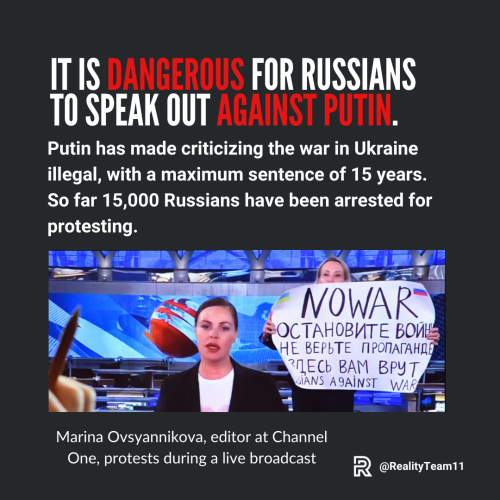
Many Russians in Russia are against the war, but speaking out is dangerous.
Putin has passed a law that anyone criticizing his war can face up to 15 years of imprisonment.
Despite the harsh penalties over 13,000 Russians have been arrested for protesting the war. Many high profile Russian celebrities, socialites, and journalists have denounced Putin as well.
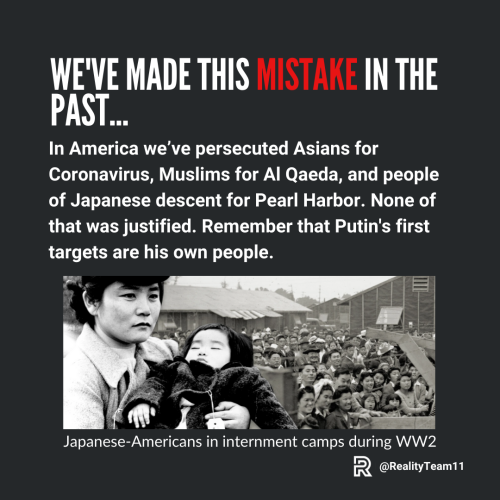
We’ve made mistakes like this before.
In America we’ve persecuted Asians for Coronavirus, Muslims for Al Qaeda, and people of Japanese descent for Pearl Harbor. None of that was justified.
It can be hard to separate the actions of a government from its people. During WWII, anti-Japanese sentiment led to the unconstitutional and harsh imprisonment of many Japanese-Americans. After 9/11, Islamophobia was widespread throughout the country, despite the fact that the tragedy was the work of only a few extremists.
We need to be careful and remind ourselves that many Russians are suffering under Putin’s harsh regime and not turn support for Ukraine into hatred for the Russian people.
The Washington Post: Anti-Russian hate in Europe is making chefs and school children out to be enemies
NPR: Putin’s warning to anti-war Russians evokes Stalinist purges
The Guardian: ‘It is not possible to stay quiet’: Putin’s first victim of ‘fake news’ law speaks out
Axios: Russian businesses in U.S. face threats, vandalism over invasion
The New York Times: That Russian Business You’re Boycotting Isn’t Actually Russian
Chicago Tribune: Russian businesses in US face backlash from war in Ukraine
NBC News: Russian businesses in the U.S. face backlash over war in Ukraine
OVDInfo.org: Cracked Heads and Tasers: Results of the March 6th Anti-War Protests