
Can non-citizens vote?
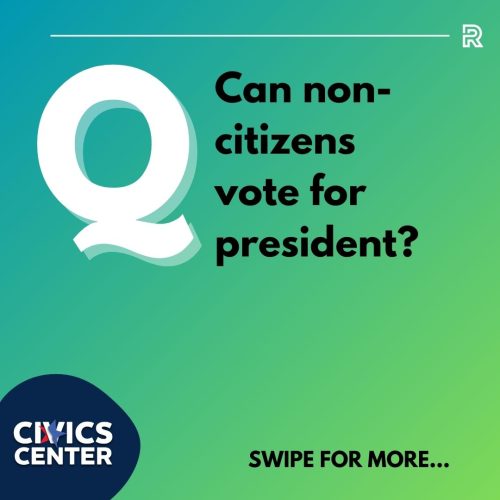
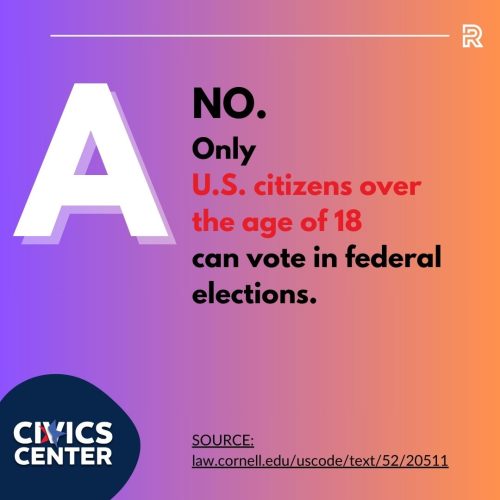
It is a crime for non-citizens to vote in federal elections.
The Illegal Immigration Reform and Immigrant Responsibility Act of 1996 makes it illegal for noncitizens to vote in federal elections.
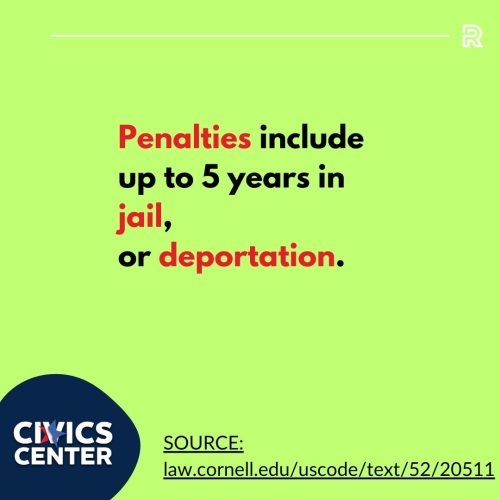
The penalties are steep. If a noncitizen is caught trying to vote in a federal election, they can be fined, jailed, deported, lose their legal status, and be barred from ever getting legal U.S. residency or citizenship. Very, very few risk it.
Non-citizens attempting to vote is extremely rare.
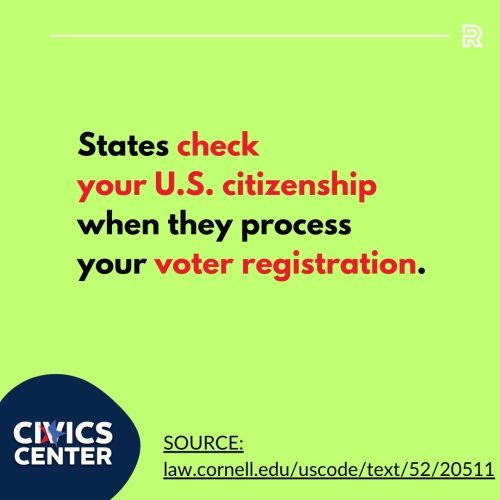
Multiple nonprofit, nonpartisan organizations and government agencies have studied this issue carefully over decades and have found no evidence of noncitizens voting in significant numbers. These cases are found during the vote count and verification process run by states before they certify elections.
States verify voter identity and information using state and/or federal databases, such as the Social Security Administration or state departments of motor vehicles.
Why do we keep hearing about it?
Bad actors create lies about noncitizens voting because it spreads doubt and confusion, and makes it easier to deny election results they don’t like.
Can non-citizens become eligible to vote?
Legal immigrants can.
Undocumented (illegal) immigrants cannot. (With some rare exceptions).
It takes 10-15 years for legal immigrants to become a US citizen and earn the right to vote.
Legal immigrants to the U.S. can (eventually) become citizens.
This is a 6-10 year process (with some exceptions for U.S. military members and their spouses). It starts with establishing legal residence in the U.S. by getting a Green Card or asylum, which can take months or years. Green card holders must wait a minimum of 3-5 years to apply for US citizenship. It then takes another 18-24 months to complete the process.
Undocumented immigrants (illegal) cannot get citizenship or voting rights. (With rare exceptions).
Undocumented (illegal) immigrants have almost no way to gain citizenship or voting rights at this time.
Undocumented immigrants (illegal) have no clear or easy path to citizenship. It is extremely difficult for undocumented immigrants to gain citizenship status, even if they’ve lived, worked and paid taxes in the US for decades. There are a few exceptions for some victims of crimes, and those who entered before 1972.
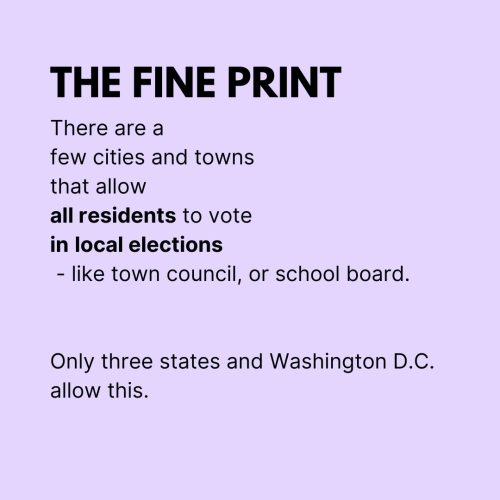
A few states allow noncitizens to vote in local elections.
Some states prohibit non-citizen voting in their constitutions. Other states can theoretically allow noncitizens to vote in state and local elections.
About a dozen cities and towns throughout the U.S. allow non citizens to vote on local issues. These include Washington, DC; Oakland, California; and Burlington, Vermont, which allow noncitizens to vote in local elections, like school board members.
Associated Press: Trump suggests unauthorized migrants will vote. The idea stirs his base, but ignores reality
Associated Press: Can noncitizens vote in US elections?
FindLaw: Can Noncitizens Vote in the United States?
USA.gov: Who can and cannot vote
Ballotpedia: Laws permitting noncitizens to vote in the United States
Ballotpedia: Debate over the prevalence of noncitizens voting
Verify: Undocumented immigrants are allowed to vote in local elections in some municipalities
USA.gov: Become a U.S. citizen through naturalization
Citizen Path: 5 Paths to Legal Status for Undocumented Immigrants
Heritage Foundation: Election Fraud Cases
Related Cards


